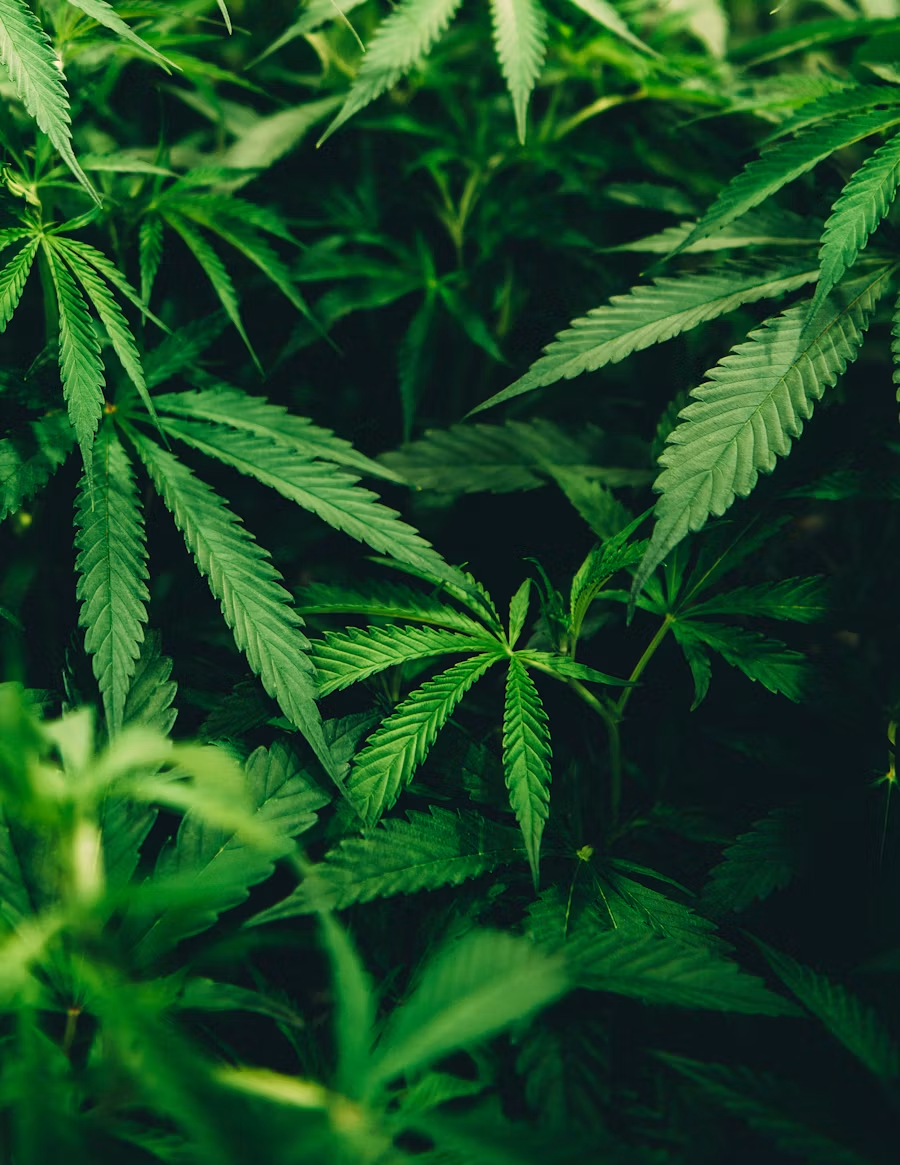
Of all cannabis derivatives, hashish is probably the one with the longest and most fascinating history.
To really understand what hashish is, you have to look far beyond the coffee shops of Amsterdam or the dispensaries of California: its roots run deep into Central Asia, Persia, and the Middle East, in a past woven together with legends, trade routes, and some of the oldest civilizations on Earth.
What hashish is
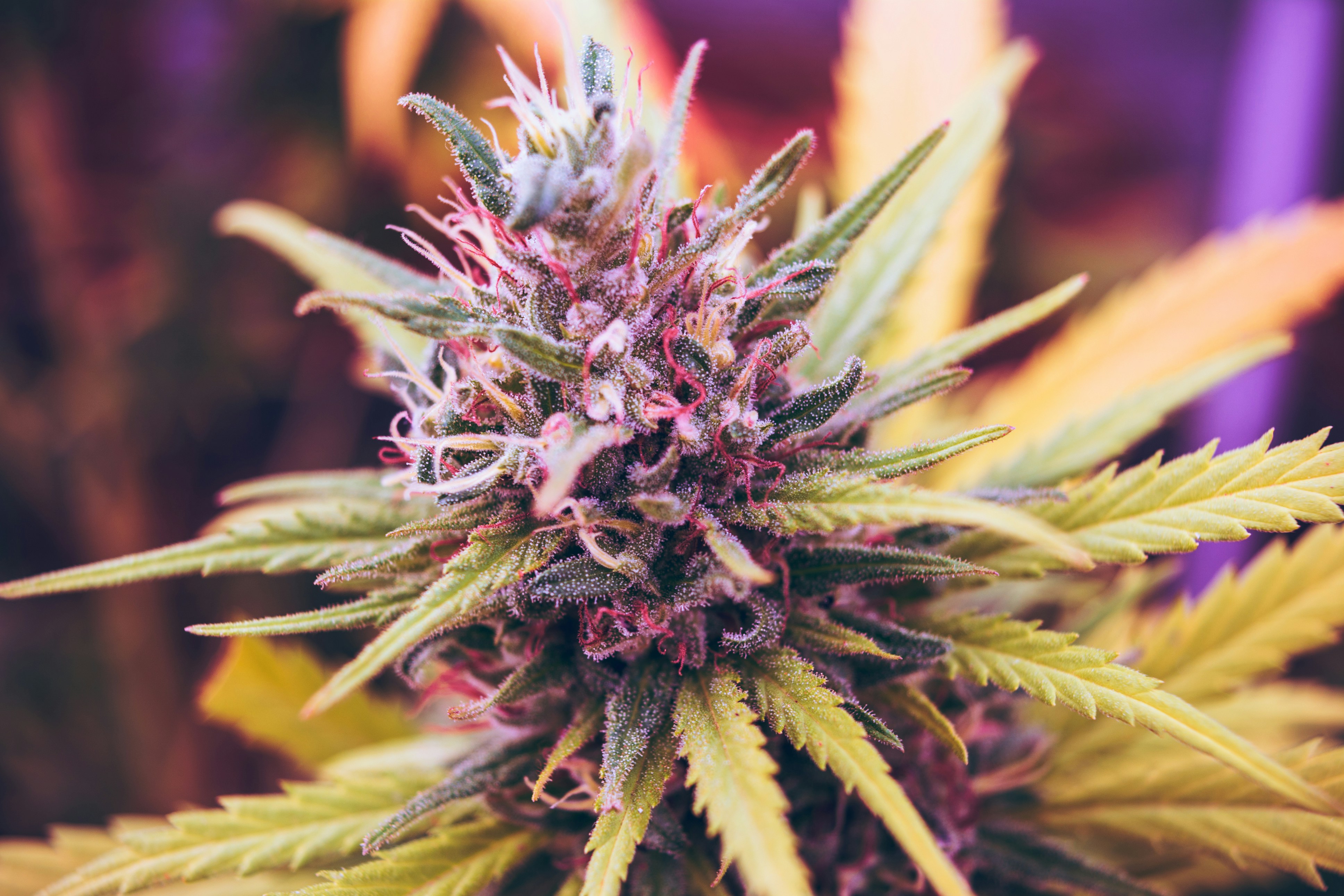
Hashish is a concentrate made from the resin of the cannabis plant, separated from the rest of the plant material and worked into a compact paste, generally darker and more potent than the flower it comes from.
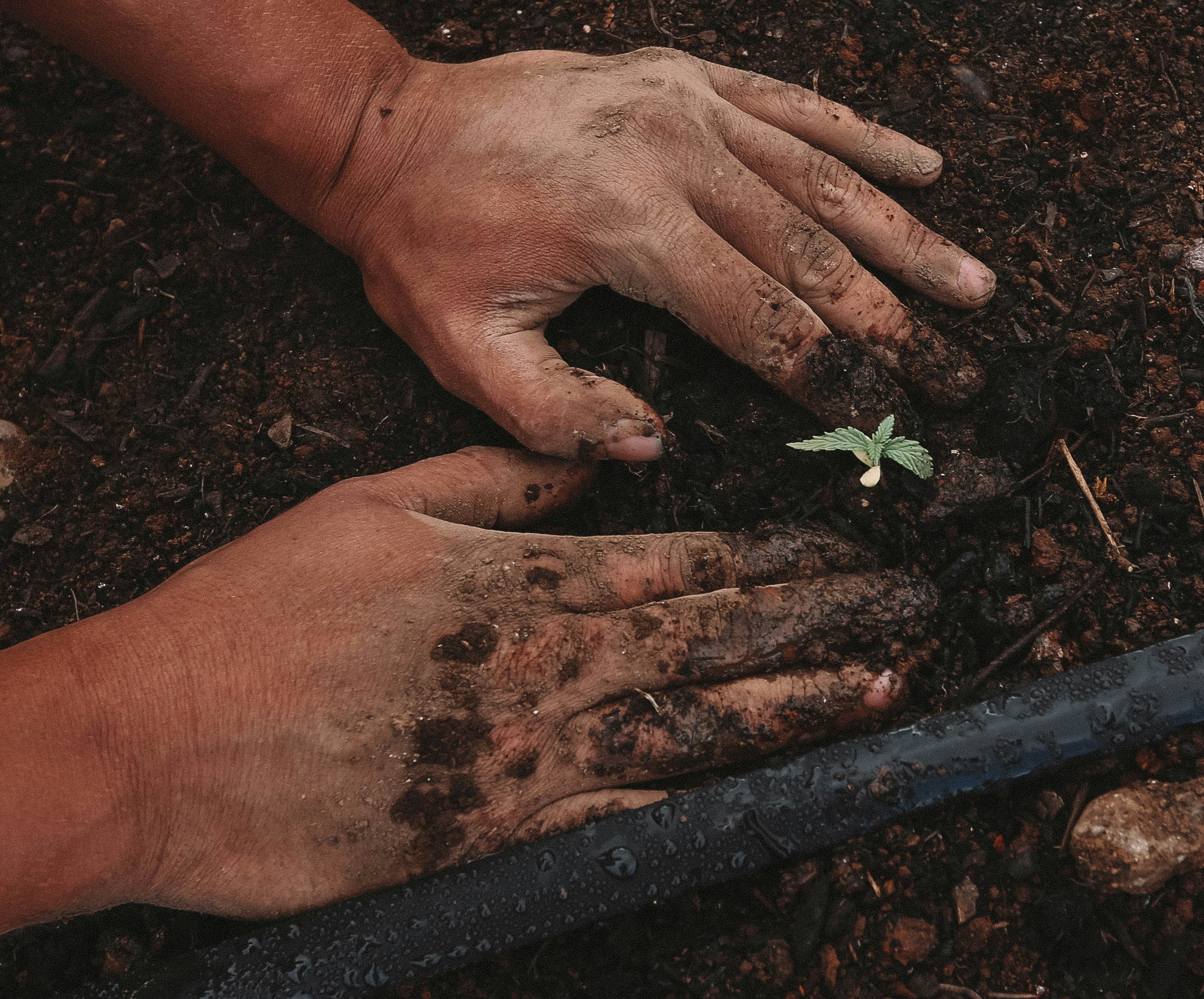
Unlike other cannabis derivatives, its traditional production doesn't require chemical solvents — just manual techniques passed down from generation to generation: separating the trichomes (the plant's tiny resin glands) through hand-rubbing or dry sieving.
The earliest origins: from the Neolithic to China
The earliest signs of humans using the cannabis plant for its effects date back to the Neolithic period, when humans first discovered its properties.
The oldest written records mentioning it come from China, where the plant was already known and used for medicinal purposes and as a textile fiber many centuries before the Christian era.
From there, according to various historical reconstructions, the use of the resin is thought to have spread westward along the ancient trade routes crossing Asia — what would later become known as the Silk Road — reaching Persia and Central Asia, where hashish production as we know it today began to take shape.
Persia, the Middle East and ancient Egypt
It was precisely in Persia and Central Asia that the first real resin-extraction techniques developed, initially based on hand-rubbing live plants to collect the resin glands and form small compact balls (a technique that, with some variations, survives today in India and Nepal under the name charas).
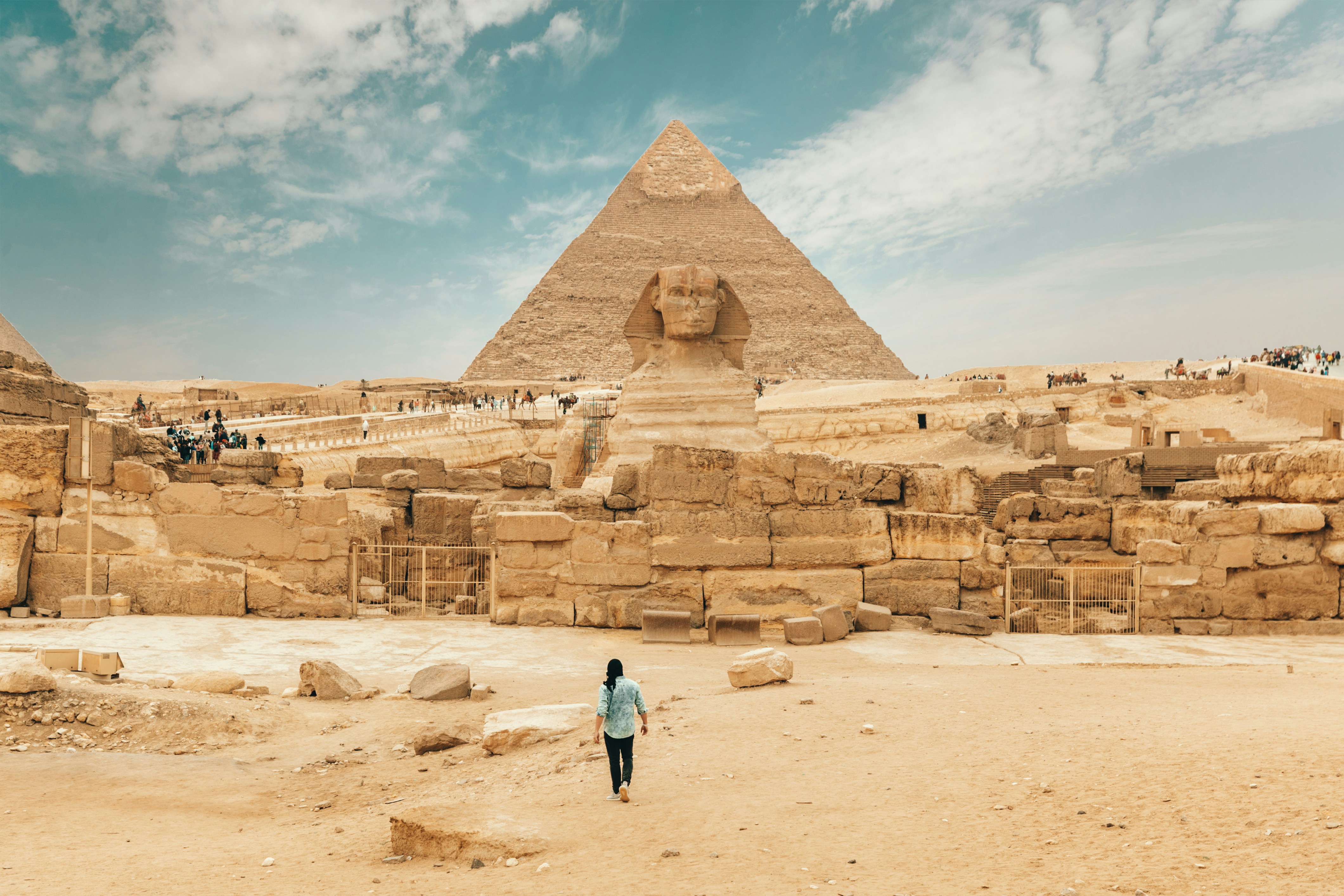
From these regions, its use spread throughout the Middle East and North Africa, including Egypt, where the plant and its derivatives were used for medicinal, religious, and social purposes for centuries — in a context, that of the Islamic world, where alcohol consumption was forbidden, and hashish found its own place in the cultural and social life of many peoples.
Arabic texts dating as far back as the 11th century speak openly of the social use of hashish.
This historical period is also linked to one of the most famous legends associated with this substance: that of the Hashashin, a sect of Persian warriors to whom popular tradition (more than serious historical research) attributed the ritual use of hashish before their missions — a tale from which, according to some etymological hypotheses that are themselves debated by historians, the word "assassin" is said to derive.
Most modern historians consider this story to be more of a propaganda myth spread by the sect's enemies than a documented reality, but the tale has helped shroud this substance in mystery for centuries.
Meeting the West: from Marco Polo to Napoleon
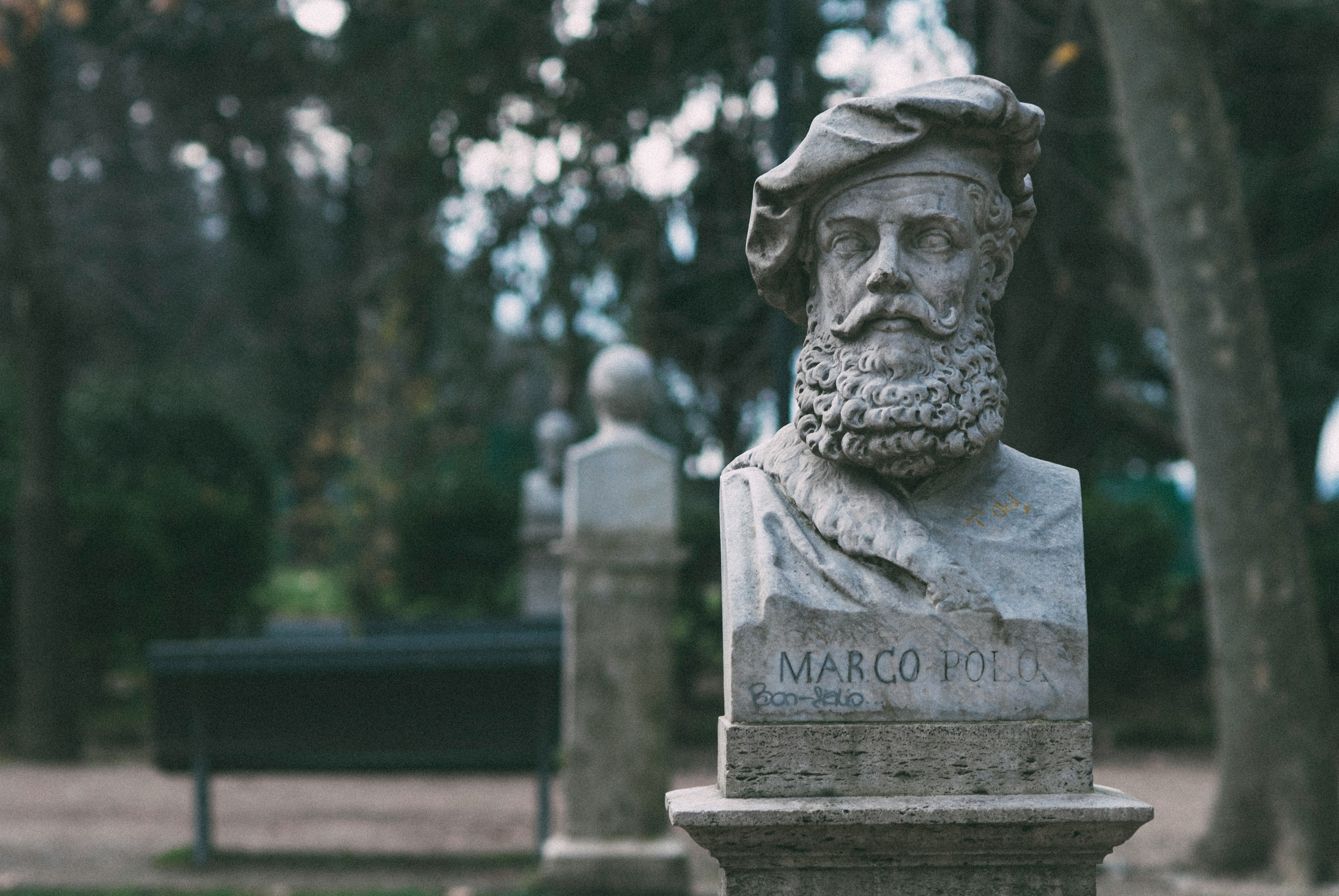
It was the famous Venetian traveler Marco Polo, around the 13th–14th centuries, who brought back to the West some of the first direct accounts of the existence and use of hashish in the East, also helping to spread the myth of the Hashashin.
Centuries later, with the French expedition to Egypt led by Napoleon Bonaparte at the turn of the 18th–19th centuries, French soldiers came into close contact with the local population's use of hashish — an episode often cited as one of the key moments in the substance's spread across Europe, where in the 19th century it would become especially popular among bohemian artists and intellectuals.
The evolution of production techniques
A major technical leap took place between the 17th and 18th centuries in Afghanistan and other parts of the Middle East, with the spread of dry-sieving techniques, which gradually replaced the traditional hand-rubbing method.
This new technique made it possible to process much larger quantities of material in less time — a development that coincided with growing demand, also fueled by the simultaneous spread of tobacco smoking from the New World, which led to the two substances being mixed together.
Hashish in the modern world
Throughout the 20th century, hashish spread even further across the West, particularly from the 1960s onward, coinciding with the hippie counterculture and the waves of travelers making their way along the overland routes to Asia.
Today, Morocco is the world's leading producer and exporter of hashish, followed by Afghanistan and other parts of Central Asia, while Europe has historically remained the main consumer market.
A history as long as the plant itself
Looking back at the history of hashish means, in many ways, looking back at a part of human history itself: from the earliest agricultural civilizations of Asia, through the trade routes that connected East and West, to the military campaigns and cultural movements that shaped its global spread.
Truly understanding what hashish is means, in the end, understanding a product that — born from a gesture as simple as rubbing a plant between one's hands — has crossed thousands of years and just as many civilizations.