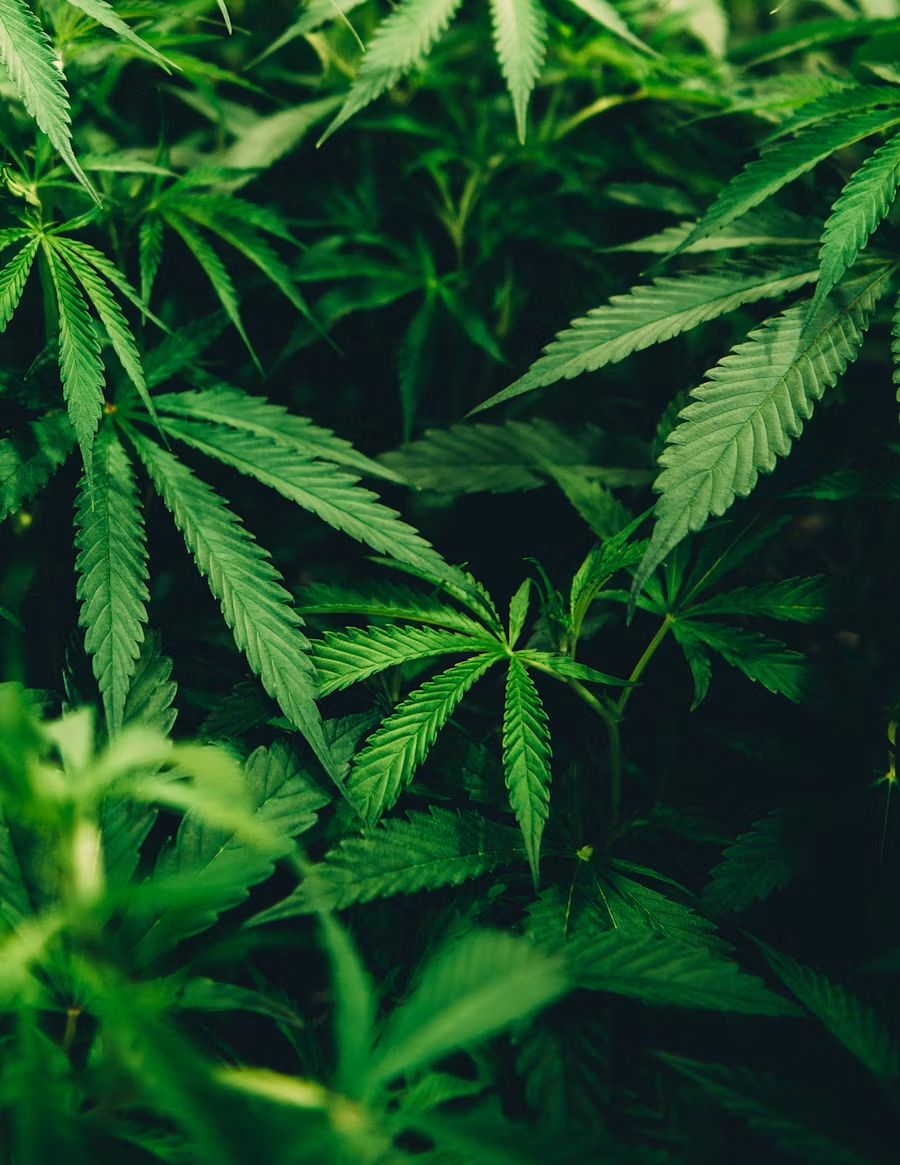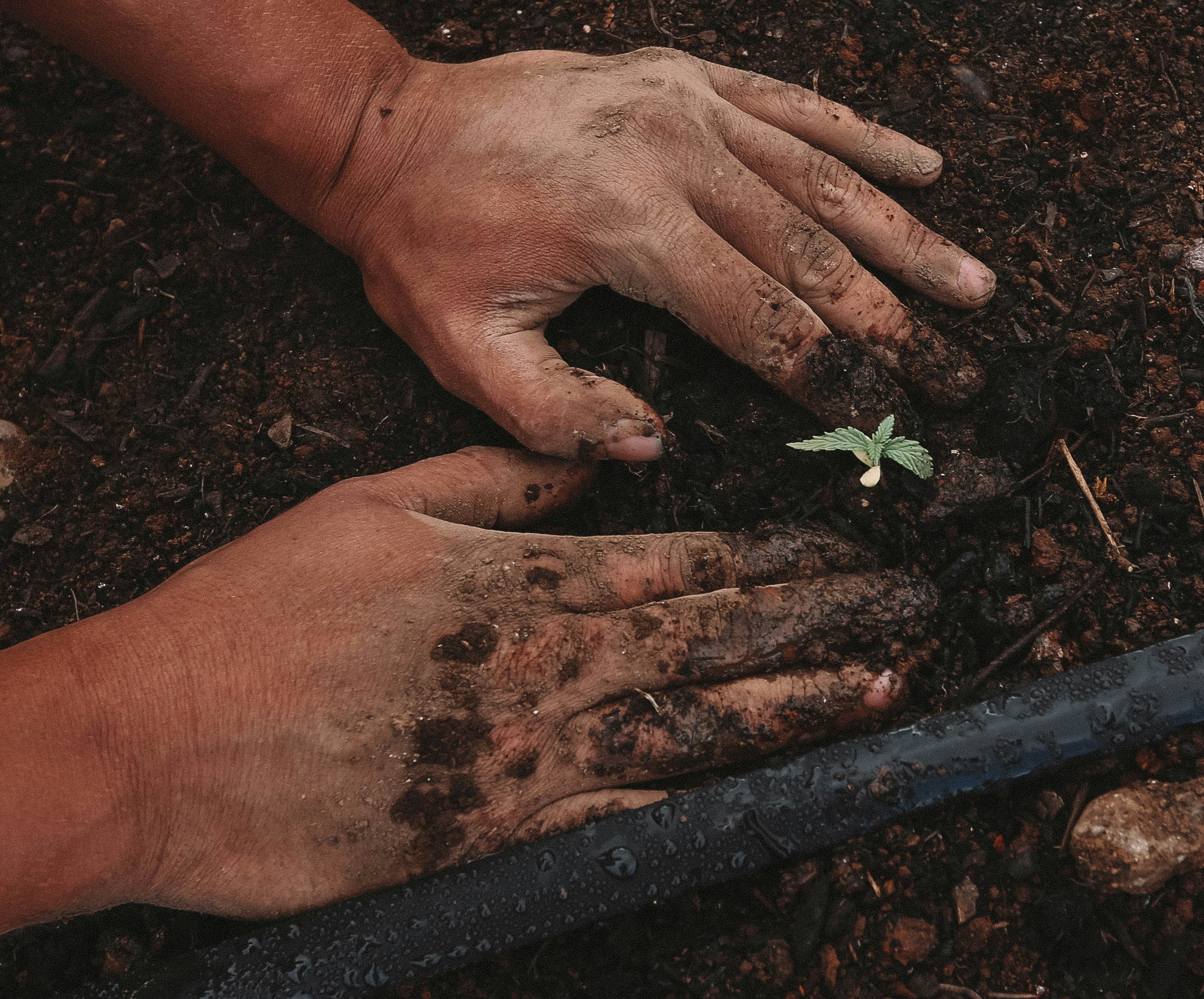
When people talk about hemp, they usually think straight away of psychoactive cannabis. In reality, hemp seeds (also called hempseed) have nothing to do with psychotropic effects: they contain no THC and have been eaten as food for thousands of years, long before the plant became associated with recreational use.
Their history is one of the oldest in human agriculture, and their nutritional properties have made them a rediscovered food with growing interest.
A food with thousands of years of history
Hemp (Cannabis sativa L.) is considered one of the first plants ever cultivated by humans, with evidence dating back more than 10,000 years in Central Asia.
The oldest written records describing the use of hemp seeds as food and medicine come from China: as far back as the Han dynasty (206 BCE–220 CE), they appeared in traditional Chinese medical texts, where they were considered one of the "five sacred grains," alongside rice, wheat, barley, and soybeans.
From there, its use spread throughout the Mediterranean basin — from Egypt to Morocco — several centuries before Christ, both as a food source and as raw material for textile fiber, rope, and paper.
In many parts of Asia, hemp seeds have remained a staple food uninterrupted for centuries; in the West, by contrast, they were mainly used as bird feed for a long time, before being rediscovered in recent decades thanks to research into their nutritional makeup.
A remarkably complete nutritional profile
What has turned hemp seeds into a food of growing interest is their nutritional profile — one of the most balanced in the plant kingdom. Here are their main benefits and properties:
- Complete protein: they contain all the essential amino acids, a trait uncommon among plant seeds, making them a good-quality protein source.
- Healthy fats: around 50% of their composition is fat, largely polyunsaturated omega-3 and omega-6 fatty acids, in a ratio nutritionists consider well balanced.
- Minerals: a good source of iron, magnesium, zinc, and copper.
- Vitamin E and other natural antioxidants.
- Gluten-free and lactose-free, which also makes them suitable for specific diets.
Their flavor, slightly reminiscent of nuts, makes them easy to add to many dishes: cereals, salads, smoothies, bread, and other baked goods.
THC and cannabis: an important distinction
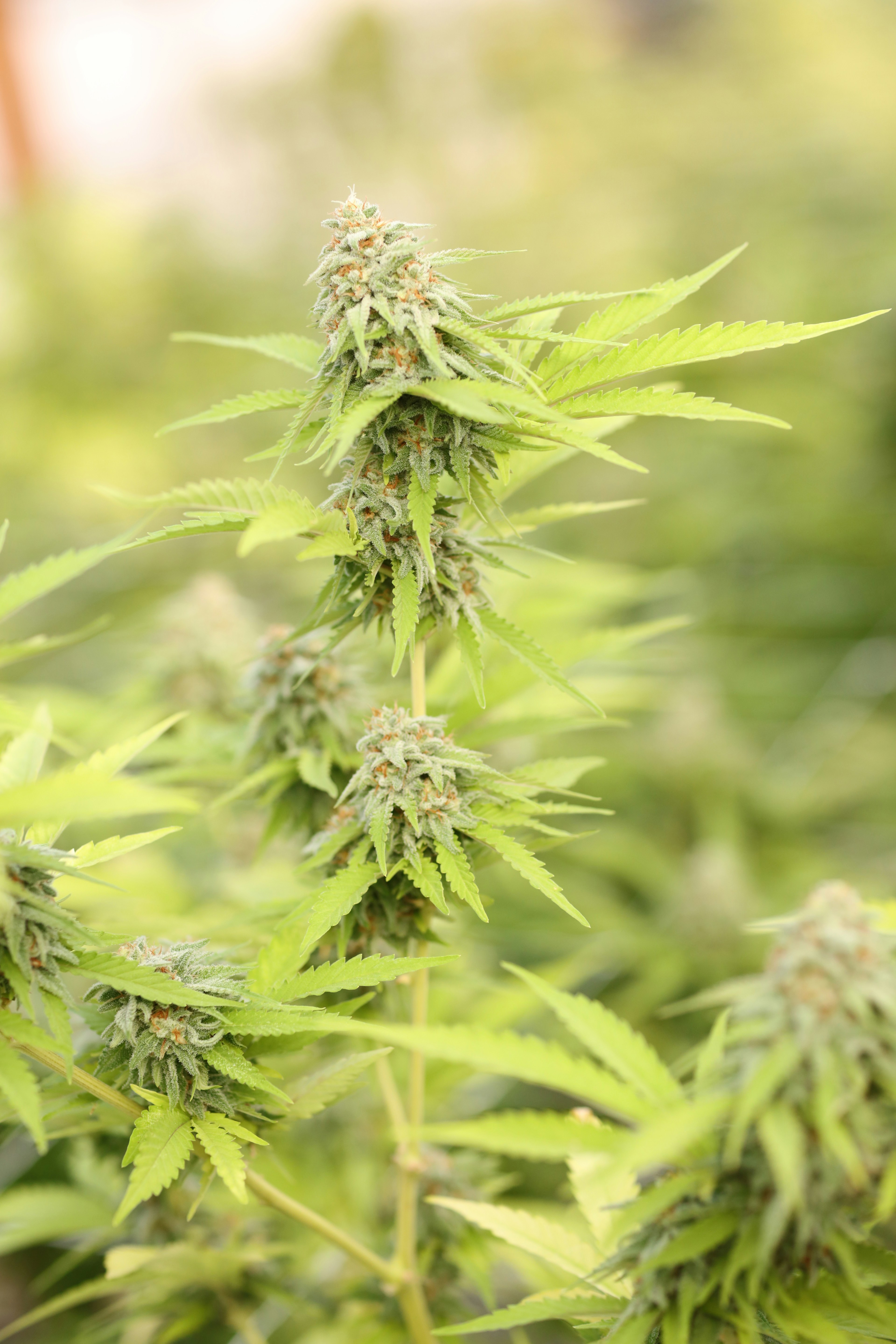
There's a point worth clarifying, since it's a common source of confusion: hemp seeds, although they come from the same plant (Cannabis sativa) used to produce psychoactive cannabis, do not contain THC in any meaningful amount.
The seed itself doesn't produce cannabinoids — these are concentrated mainly in the plant's flowers and leaves, not in the seed. For this reason, eating hemp seeds has no psychoactive effect whatsoever and is perfectly legal in the vast majority of countries, including the entire European Union.
Why they've come back into fashion
In recent years, hemp seeds are often described as a "superfood" — a label that mostly reflects the unusual combination of complete protein, essential fats, and minerals packed into a single plant seed.
Growing interest in sustainable, plant-based eating has contributed a great deal to this renewed popularity: hemp also requires little water and few pesticides to grow, which makes it a relatively sustainable crop from an environmental standpoint too.
One final note
As with any new addition to your diet, if you're pregnant, breastfeeding, or have specific health conditions, it's always a good idea to check with a doctor or nutritionist before making it a regular habit — simply as a general precaution, not because hemp seeds carry any known specific risks.