When people talk about "marijuana," they tend to picture a single plant — but behind that name lies almost three centuries of botanical history, made up of scientific classifications, discoveries in remote territories, and constant genetic evolution.
Getting to know the different types of marijuana that exist also helps us understand the present: why some plants grow tall and slender while others stay short and compact, why some can withstand the Siberian cold and others can't, and why almost everything available today is actually a hybrid.
One species, three major families
From a botanical standpoint, the genus Cannabis has been the subject of scientific debate for over two centuries: some researchers consider it a single species (Cannabis sativa L.) with several subspecies, while others argue it comprises genuinely distinct species.
Beyond this taxonomic dispute, the classification most widely used today still recognizes three major families: sativa, indica, and ruderalis. Add to these the hybrids, which now make up the vast majority of existing varieties.

Cannabis sativa: the first to be classified
The story of cannabis's scientific classification begins in 1753, when the Swedish naturalist Carl Linnaeus, the father of modern botanical taxonomy, first described the plant in his work Species Plantarum, naming it Cannabis sativa.
The word "sativa" comes from Latin and simply means "cultivated," referring to a plant already widely used by humans for fiber, seed, and oil production.
Sativa varieties originate mainly from equatorial and tropical regions — Southeast Asia, Central America, parts of Africa and South America — where the warm climate and long daylight hours favored tall plants with thin, elongated leaves and longer growth cycles than the other families.
Cannabis indica: discovered in the Indian subcontinent
Thirty years after Linnaeus's classification, in 1785, the French naturalist Jean-Baptiste Lamarck described a second variety, observed in the Indian subcontinent, which he called Cannabis indica.
Lamarck noted that these plants, native to regions such as India and, more broadly, South and Central Asia (including parts of present-day Afghanistan, Pakistan, and the Himalayas), had morphological traits distinct from sativa: a shorter, more compact build, broad dark leaves, and a greater ability to adapt to mountain climates and shorter daylight seasons.
Cannabis ruderalis: the 20th-century Siberian discovery
The third major family has a more recent and less well-known history. In 1924, the Russian botanist Dmitry Yanishevsky, while studying wild cannabis populations along the Volga River basin and in southern Siberia, realized he was looking at plants radically different from those already classified.
They were small (between 30 and 80 cm), sparsely branched, with few but broad leaves, and a much faster life cycle. He named it Cannabis ruderalis, from the Latin rudera ("rubble"), since it grew spontaneously in waste ground and disturbed soil — typical behavior for so-called "ruderal" plants, the first to colonize land after a disturbance.
Ruderalis's most significant trait is its ability to flower autonomously, regardless of photoperiod (the hours of light and darkness), unlike sativa and indica, which depend strictly on the seasonal light cycle to move from the vegetative stage into flowering. This trait, developed as an adaptation to Siberia's short summers, is today the genetic basis for what are known as "autoflowering" varieties.
Hybrids: where different families meet
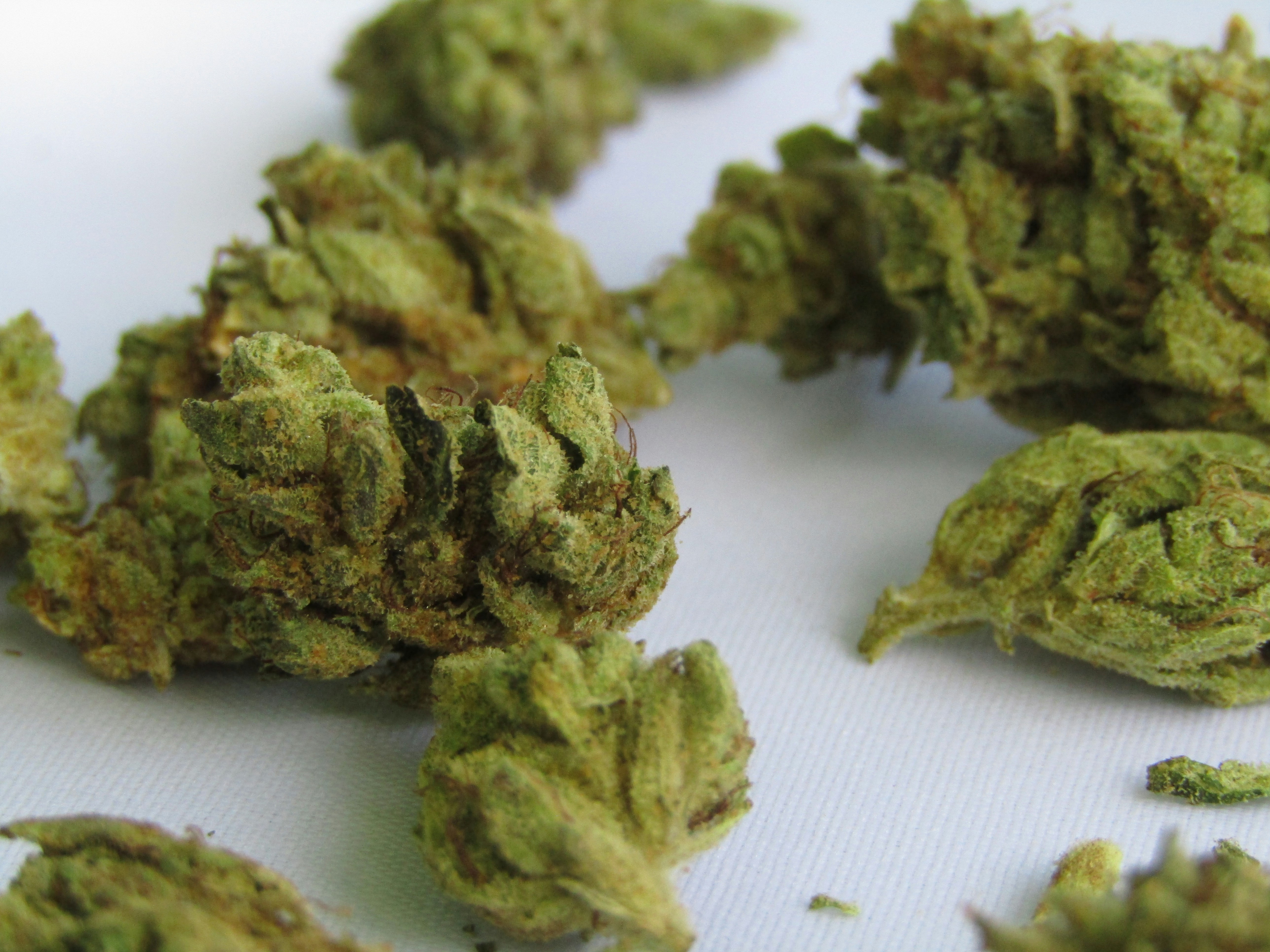
As cannabis spread globally throughout the 20th century, growers and researchers around the world began crossing plants from these families to combine their traits: ruderalis's climate resilience, sativa's vigor, indica's compactness.
The result is hybrids, which today make up the vast majority of known varieties, each with its own distinct combination of genetic traits inherited from its "parent" strains.
This explains why, when talking to anyone familiar with the cannabis world, you'll often hear expressions like "sativa-dominant hybrid" or "indica-dominant hybrid": these are plants that share traits from both families, but with one of the two predominating.
Why this history still matters today
Understanding the origin and history of these classifications isn't just a botanical curiosity: it helps explain why cannabis, despite being genetically a single plant at its core, has diversified so much over the centuries, adapting to very different climates and uses — from ancient textile fibers to the varieties studied today in medical and scientific research.
Getting to know the different types of marijuana that exist is, ultimately, the best way to understand this plant's remarkable diversity.